

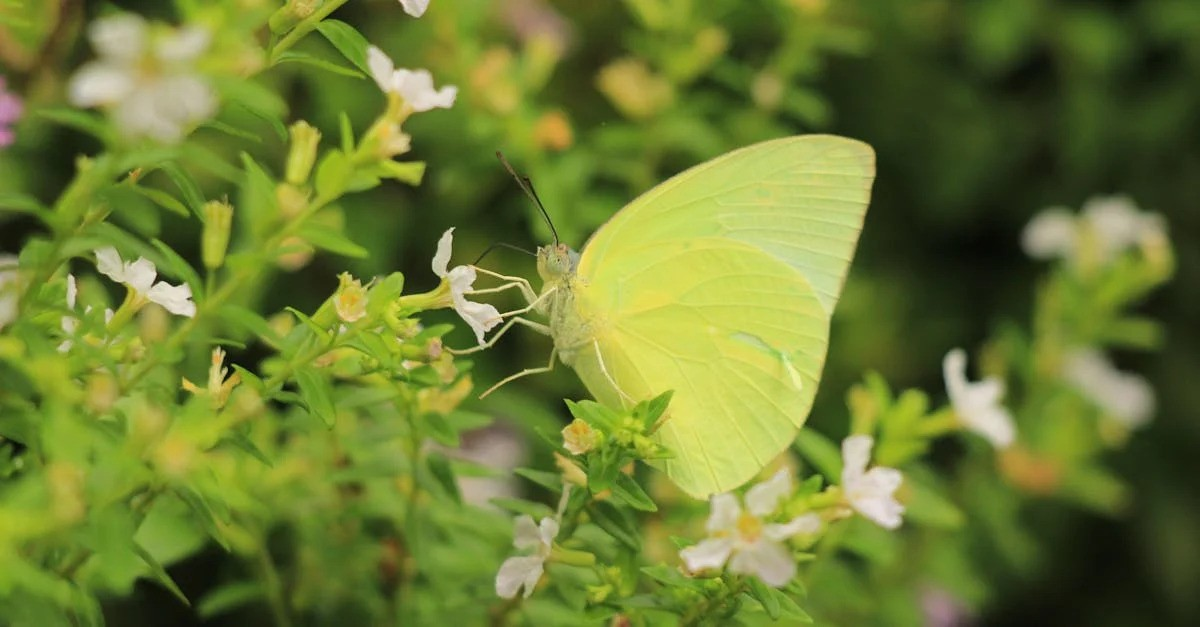

Have you ever strolled through a garden and wondered, ‘Do all plants have flowers?’ Spoiler alert: not all do. It’s a common misconception that plants and flowers are synonymous. Just like not every cat is a hairless Sphinx, not every plant is a blossoming beauty. So, let’s dig deeper and uncover the intriguing realm of plants, not just the ones that wear blooms but those that rock a simpler look too.
Understanding Plant Classification
To get to the crux of our inquiry, we need to understand how plants are classified. Plants are primarily classified into two major categories: flowering and non-flowering. Flowering plants, scientifically known as angiosperms, are the trendsetters of the plant kingdom, showcasing colorful blooms to attract pollinators. On the flip side, we have non-flowering plants, which live by a different set of rules. Think of these guys as the introverts of the plant world.
They might not sport flowers, but they play a vital role in our ecosystems. We often turn to Linnaeus, and his nifty binomial nomenclature, to classify plants into these categories, providing us with a systematic approach to understanding their differences.
So, while our friends with flowers might get all the attention during spring parades, we cannot overlook the versatile non-flowering plants that also contribute significantly to our planet.
What Are Flowering Plants?
Flowering plants are the life of the botanical party. They reproduce through flowers, which contain their reproductive organs. Isn’t that fascinating? These angiosperms can further be divided into two types: monocots and dicots. Monocots, like corn and lilies, have one seed leaf, while dicots, which include sunflowers and roses, feature two.
What really makes the flowering plants stand out is their ability to create seeds within fruits, a clever evolutionary advantage. This feature not only aids in reproduction but also helps in the dispersal of plants. Think of flowers as the Instagram influencers of nature, drawing attention and ensuring that their legacy continues.
Non-Flowering Plants: An Overview
As we venture into the realm of the non-flowering plants, we find fascinating diversity. Non-flowering plants include a variety of species, such as ferns, mosses, and conifers. They often reproduce through spores instead of seeds, which is a different approach altogether.
Key Differences Between Flowering and Non-Flowering Plants
When we look at the anatomy, we see significant differences. Flowering plants possess flowers and fruits, as mentioned earlier. In contrast, non-flowering plants lack these structures. Their methods of reproduction are also distinct.
While flowering plants use pollinators like bees and butterflies, non-flowering plants depend on the wind for dispersing their spores. This difference illustrates how varied the strategies of nature can be.
Examples of Non-Flowering Plants
Let’s take a closer look at some examples to put our theory into practice.
Ferns: These lush green plants are commonly found in shady spots. They don’t have flowers, yet they sport beautiful fronds that create a mesmerizing backdrop in any garden.
Mosses: Known for their tiny stature, mosses thrive in moist environments. They reproduce through spores, making them an excellent example of non-flowering flora.
Conifers: Think of pines and spruces: these trees are champions of non-flowering plants. They produce cones instead of flowers, showcasing their unique reproductive system.
The Role of Flowers in Plant Reproduction
Now that we understand both types of plants, it’s essential to talk about the critical role flowers play in reproduction. Flowers serve as the reproductive organs and are designed to attract pollinators. Once pollinated, the flowers develop seeds, which can grow into new plants, an essential process for the continuity of many ecosystems.
Also, flowers can vary significantly in size, color, and shape, each adapted to attract specific pollinators. This beautiful diversity adds to our world’s richness and ensures that the cycle of life continues.